The
current state of our hospitals and specifically Accident and Emergency (A&E) is a car crash waiting to happen. The problems in A&E are blamed on
the number of visits, which have risen by 50% in England in a decade and recently
waiting times and other performance metrics have been on the wane. GP consultations
are up by a third since the mid 1990s and the number of routine operations
carried out by hospitals, such as knee and hip replacements, has still jumped
by 60% since the mid 1990s. The case for the
defense as promulgated by the NHS’s management is – “we are having to do more with
less or the same resources”.

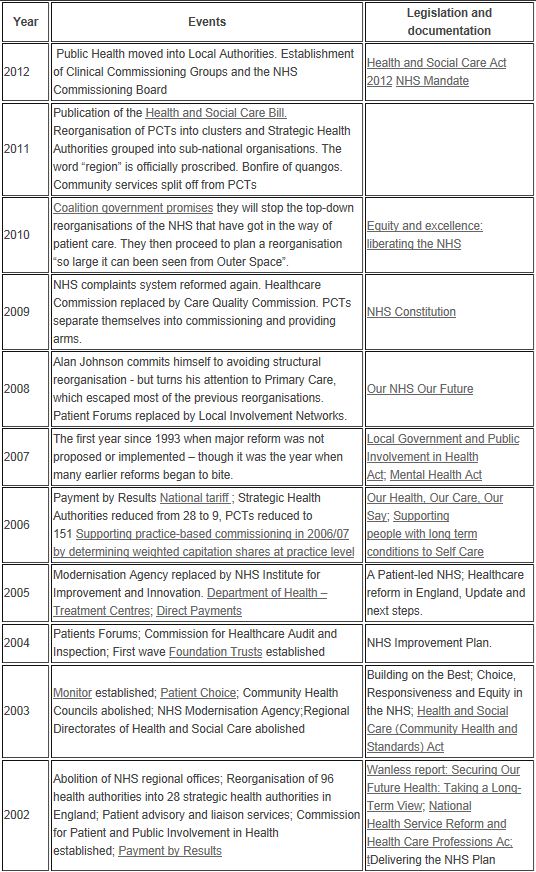
The problems started with Tony Blair’s reorganization in 2004, which decided that GPs could no longer cope with out of hours work, this forced many non-critical cases to report to Accident and Emergency units in their local hospitals. The College of Emergency Medicine estimates up to a third of patients turning up at A&E could be treated by a nurse or GP without going to Hospital. The BMA constantly tell us how hard there GP members work and that they are good value for money but the reality is very different. The number of GPs per head of population has in fact remained pretty constant over the last 10 years. The has been a slight increase in patient visits per year but in many cases GPs are paid to take on specific treatments and this probably drives consultation numbers. More importantly, whilst the GP contribution to the NHS has been in decline for years their take of the financial pie has grown exponentially. This is the main problem in the NHS is the disproportionate funding that is soaked up by our GPs, who add little value and are now grossly over paid. The sad truth is that (very) General Practice is becoming an anachronism, the growth of science and knowledge is forcing our best consultants to specialise: once we had ENT consultants now they specialise in ear, nose or throat – what chance has a GP in this increasingly technical and specialist world?

The problems started with Tony Blair’s reorganization in 2004, which decided that GPs could no longer cope with out of hours work, this forced many non-critical cases to report to Accident and Emergency units in their local hospitals. The College of Emergency Medicine estimates up to a third of patients turning up at A&E could be treated by a nurse or GP without going to Hospital. The BMA constantly tell us how hard there GP members work and that they are good value for money but the reality is very different. The number of GPs per head of population has in fact remained pretty constant over the last 10 years. The has been a slight increase in patient visits per year but in many cases GPs are paid to take on specific treatments and this probably drives consultation numbers. More importantly, whilst the GP contribution to the NHS has been in decline for years their take of the financial pie has grown exponentially. This is the main problem in the NHS is the disproportionate funding that is soaked up by our GPs, who add little value and are now grossly over paid. The sad truth is that (very) General Practice is becoming an anachronism, the growth of science and knowledge is forcing our best consultants to specialise: once we had ENT consultants now they specialise in ear, nose or throat – what chance has a GP in this increasingly technical and specialist world?
The Blair contract had the effect in its first two
years of reducing productivity by an average of 2.5 per cent per year. In 2006
GPs worked on average seven hours less per week than in 1992, partly because of
the removal of the responsibility for out of hours care. In 2005-06 the annual
average pay of a GP partner was £113,614, an increase of 58 per cent on the
pre-Blair deal of 2002-03. Since then there has been some slow down in wage
inflation but this is about to change. In addition to ballooning salaries, family doctors will be paid a further
£26,000 to commission NHS services. Last year 210 GPs earned more than
£250,000 and a Daily Mail investigation (needs to be treated with caution) has revealed that some GPS are earning up to £380,000 a year. Out of the 250,000 doctors registered and
working in the UK some 140,000 are GPs costing the NHS some £17bn a year (in salaries alone) or
over 17% of all money spent on healthcare – an awful waste of money when the
modern day GP is little more than a freight forwarding business shuffling
patients around the system!
What the NHS needs is:
- Fewer and less expensive GPs
- More out of hours care provided by the district nurse equivalent
- A more regional structure NHS England is just too big to be managed effectively
- Competition for various treatments (heart, cancer, hip replacements, etc)
- Tax breaks for private health care that needs to soak up more demand
- Patient fines for self inflicted damage - drink , drug and smoking related injuries / ill health